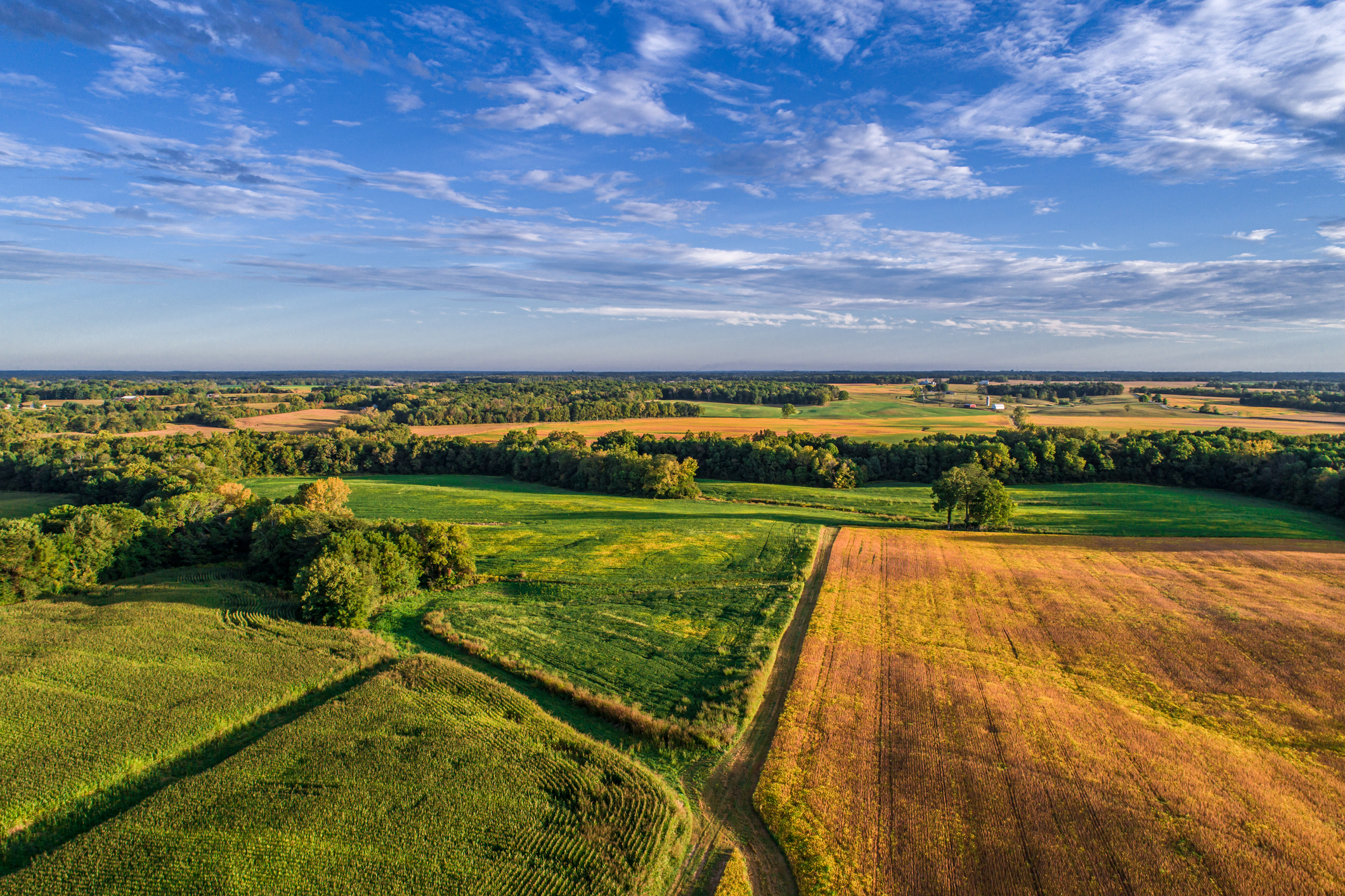
There’s a common assumption among landowners that vacant land is a passive, low-cost asset to hold. And compared to a rental home, it certainly can be. But “low cost” is not the same as “no cost” — and over time, the cumulative expenses of holding land you’re not actively using can add up more than most owners realize.
The Costs Most Land Owners Underestimate
1. Property Taxes
Even on vacant land with no improvements, property taxes are a recurring annual obligation. While the rate depends on county and assessed value, many vacant land owners pay hundreds to thousands of dollars per year on property that generates no income. Over a decade, that can easily represent $5,000–$20,000 or more in taxes on a single parcel. Miss a year or two and back taxes begin to accumulate with interest and penalties.
2. Opportunity Cost
Every dollar tied up in a land parcel is a dollar that isn’t working for you elsewhere. If your $40,000 land parcel is appreciating at 3% per year, it’s generating roughly $1,200 in paper gains annually — before taxes, before any future selling costs. Compare that to what those same dollars might earn in other investments, and the true return becomes a more honest calculation.
3. Liability Exposure
Many landowners are surprised to learn that they can be held liable for injuries that occur on their property — even when they’re not there and the visitor was trespassing. Property owners have a legal duty of care that doesn’t disappear just because the land is vacant. Fencing, signage, and other risk management measures add additional expense.
If you’re paying taxes on land you don’t use and have no near-term plan for, every year you hold it is a year you’re paying for a benefit you’re not receiving.
4. Maintenance and Access
Depending on the parcel, vacant land may require periodic brush clearing, vegetation management, or monitoring of access roads. In areas prone to illegal dumping, landowners sometimes bear cleanup costs. These expenses are often minor individually but add ongoing friction to what was supposed to be a passive asset.
5. Mental Load
This one doesn’t show up on a balance sheet, but it’s real. Knowing you own a property somewhere that you’re not actively managing, that might have tax notices accumulating, that might need attention — creates persistent low-grade mental overhead. Many of the landowners who sell to Bailey Buys tell us they feel immediate relief after closing, simply because one more unresolved item has been taken off their plate.
When Does Holding Make Sense?
To be clear: there are situations where holding vacant land is absolutely the right move. If the land is in a high-growth corridor and you have strong reason to believe values will increase substantially within a 3–5 year horizon, holding may be justified. If you have a concrete development or personal use plan that will be executed within a reasonable timeframe, hold it.
But if you’ve owned the property for years without a plan, and you’re paying taxes on it every year without a clear path to return, the honest conversation is worth having.
If you inherited the property and aren’t sure where to start, read our guide on what to do with inherited land</a> before making any decisions.
Or if you’re simply ready to explore selling, learn how the Bailey Buys process works — no pressure, no obligation.
Bailey Buys: A Simple Way Out
- A fair, transparent offer within one business day.
- No agent commissions or hidden fees.
- A secure closing through a licensed national title company.
- A timeline that works for your situation — no pressure, no rushing.
Get Your Free, No-Obligation Land Offer | BaileyBuys.com | 214.890.6159