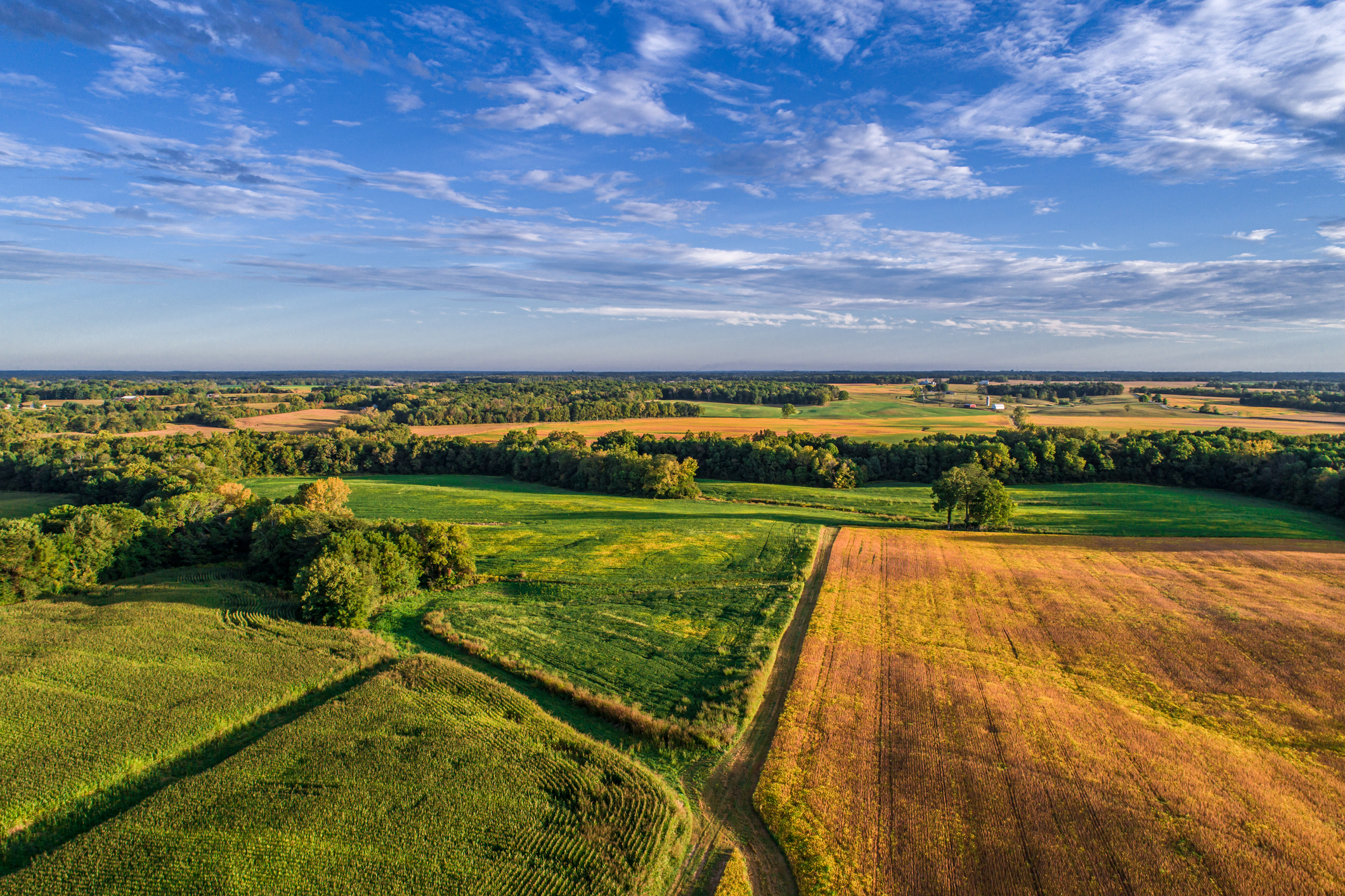
Vacant land can feel inexpensive to own compared to a house, rental property, or commercial building. There are no tenants, no plumbing repairs, no roof replacements, and no late-night maintenance calls.
But land is not free to hold.
If you own land you are not using, the costs can slowly add up year after year. Property taxes, HOA fees, code violations, mowing requirements, liability concerns, and missed investment opportunities can turn an unused parcel into a quiet financial drain.
If the land no longer fits your plans, selling may be worth considering.
The Real Cost of Holding Vacant Land
Many landowners only think about the property tax bill. But the true cost of holding land can include much more.
Property Taxes
Even if the land is vacant, the county still expects taxes to be paid. Over time, these bills can add up. If taxes become delinquent, penalties and interest can make the situation worse.
Maintenance
Depending on the area, land may need mowing, brush clearing, trash removal, or basic upkeep. Some counties or HOAs may issue warnings or fines if the property is not maintained.
HOA or POA Dues
Some vacant lots are located in subdivisions with homeowners associations or property owners associations. Even if you are not using the land, dues may still apply.
Liability
Vacant land can create liability concerns. If people trespass, dump trash, ride ATVs, or get injured on the property, the owner may still have to deal with the consequences.
Opportunity Cost
Money tied up in land is money that cannot be used elsewhere. If the property is not appreciating, producing income, or serving a clear purpose, it may be better to convert it into cash.
Signs It May Be Time to Sell
Selling unused land may make sense if:
- You have not visited the property in years
- You inherited the land but do not want it
- Taxes or dues feel annoying every year
- The land is too far away to manage
- You do not have plans to build
- The property has access or utility challenges
- You would rather have cash than continue holding it
There is nothing wrong with holding land as a long-term investment. But holding only makes sense when there is a reason behind it.
Why Landowners Delay Selling
Many owners delay selling because they are unsure what the property is worth. Others do not know where the deed is, whether taxes are current, or how to find a buyer.
Some owners assume the process will be complicated, so they keep paying taxes and putting it off.
The good news is that selling land does not always have to be difficult. A direct land buyer can often evaluate the property, make an offer, and help close through a professional title company.
Selling As-Is Can Save Time and Money
One of the biggest benefits of selling to a direct land buyer is that you may not need to improve the property first.
That means you may not have to:
- Clear brush
- Install utilities
- Order surveys upfront
- Fix access issues before getting an offer
- Market the property for months
- Wait for a retail buyer to get financing
For many sellers, the convenience is worth it.
Final Thoughts
Unused land can be easy to ignore, but the costs do not disappear. If your land no longer serves a purpose, selling can help you stop paying taxes, avoid future headaches, and turn an idle asset into usable cash.
Bailey Buys helps landowners explore simple options for selling vacant land without pressure. Whether your property is rural, inherited, unwanted, or just no longer part of your plans, a direct offer can help you decide your next step.
Ready to stop paying taxes on land you don’t use? Contact Bailey Buys today for a free, no-obligation offer.