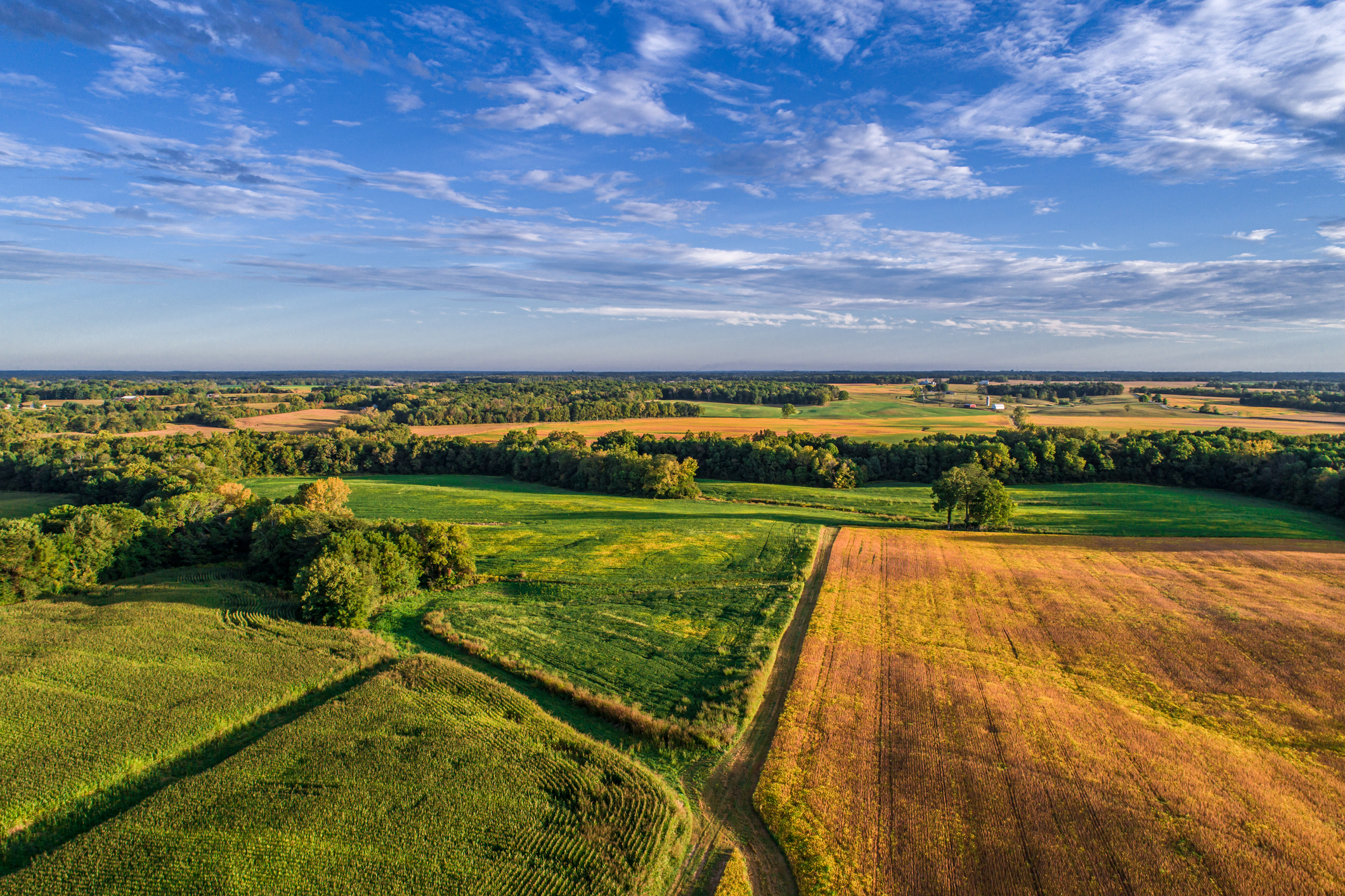
Owning land often begins with a vision. It may have represented a future home, a long-term investment, or simply a smart opportunity at the time.
But life evolves. Priorities shift. And sometimes holding onto property no longer aligns with your present goals.
Recognizing when it’s time to move on isn’t about urgency — it’s about clarity.
When the Original Plan Has Changed
Many landowners purchased property intending to build. Others bought for long-term appreciation. Some inherited land unexpectedly.
Over time, circumstances change:
- Construction costs increase
- Career paths shift
- Family needs evolve
- Retirement plans adjust
If you find yourself saying, “We’re probably not going to build there anymore,” that thought alone may signal it’s worth reevaluating.
When the Property Has Become a Passive Expense
Vacant land is often low maintenance — but rarely cost-free.
Annual expenses may include:
- Property taxes
- HOA dues
- Special assessments
- Occasional maintenance
Over a decade, even modest annual taxes can accumulate significantly.
If the land is not producing income and is simply generating ongoing costs, selling may represent a financially sound decision.
When It Feels Like an Unfinished Obligation
There is also a psychological element to ownership.
Many sellers describe unused property as something they “need to deal with eventually.” That lingering obligation can create subtle stress.
Simplifying assets can bring not only financial relief but mental clarity.
When Traditional Listing Hasn’t Produced Results
Vacant land often behaves differently than residential real estate:
- Smaller buyer pool
- Financing can be more limited
- Marketing requires specialization
If your property has been listed without meaningful traction, it may be time to consider alternative approaches.
A Practical Perspective
There is rarely a perfect market moment. Instead, the better question may be:
Does holding this property still serve my long-term financial and personal goals?
If the answer feels uncertain, that’s worth exploring.
Frequently Asked Questions
How do I know if I should sell my land?
If the property no longer aligns with your plans, creates ongoing expenses, or feels like an unresolved obligation, it may be time to evaluate your options.
Is it bad to sell land if I originally planned to build?
Not at all. Plans evolve. Selling reflects present clarity, not past intentions.
Does vacant land usually take longer to sell?
Yes. Land typically has a smaller buyer pool and longer marketing timelines than residential homes.
If you’re beginning to question whether holding your property still makes sense, we’re happy to provide a straightforward conversation about your options. No pressure — simply information so you can make the right decision for your situation. Contact us now!